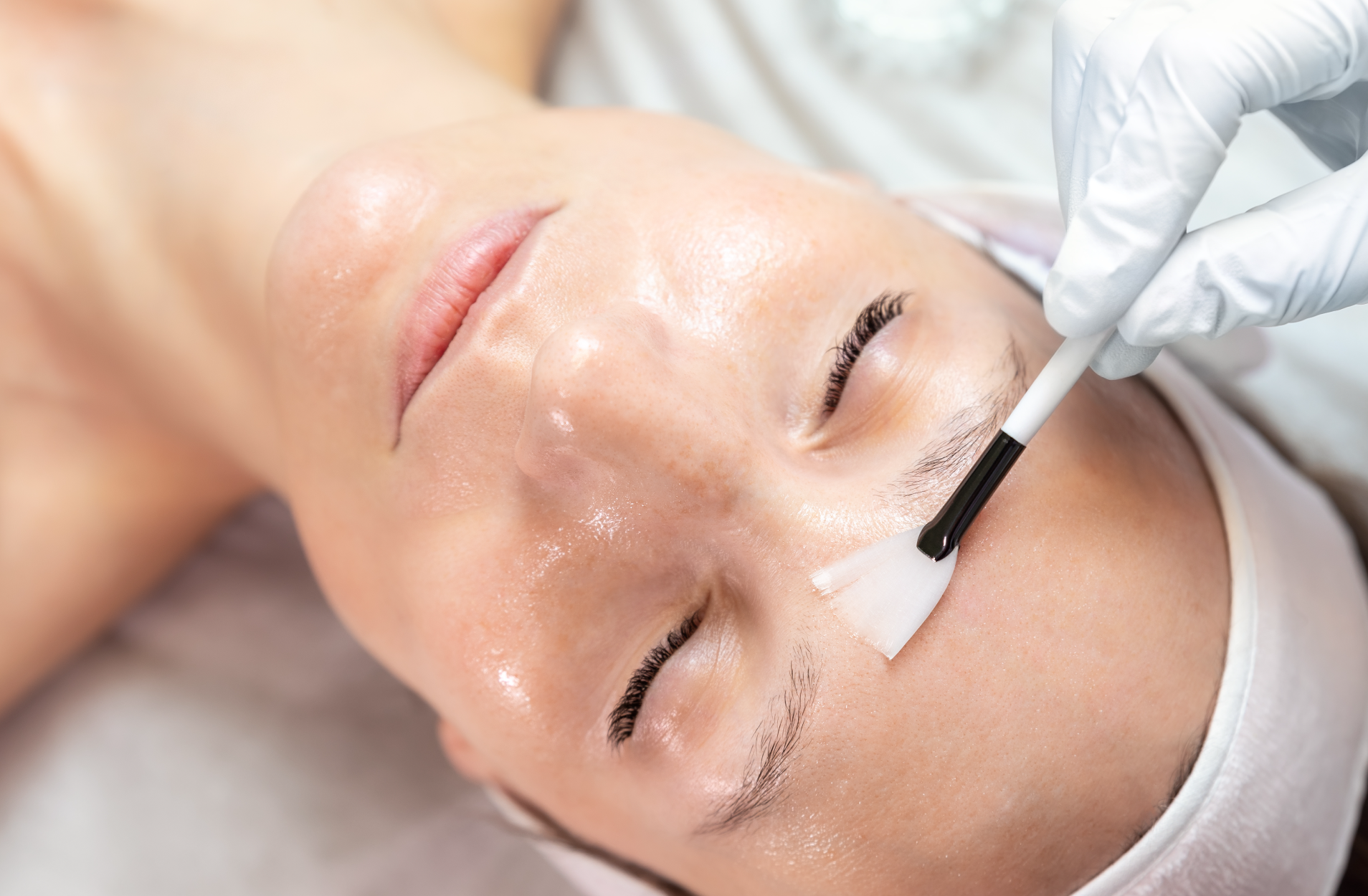
A chemical peel can be one of the most transformative treatments in your skincare journey — but the results you get depend heavily on how well you prepare. Proper pre-peel preparation primes your skin for optimal absorption, reduces the risk of complications, and sets the stage for a smoother, faster recovery. Here's the complete guide our team at Splendid Skincare & Brow Studio gives to every client before their peel appointment.
Why Preparation Matters
Think of pre-peel preparation like prepping a wall before painting. If you skip the sanding, cleaning, and priming, the paint won't adhere properly and the finish will be uneven. Your skin works the same way — a chemical peel applied to properly prepared skin penetrates more evenly, works more effectively, and heals more predictably than one applied to skin that hasn't been primed.
Good preparation also significantly reduces your risk of adverse reactions. Certain skincare ingredients can make your skin more sensitive to peeling agents, leading to uneven penetration, excessive irritation, or post-inflammatory hyperpigmentation. By adjusting your routine in advance, you're creating the safest, most effective conditions for your treatment.
The Bottom Line: Clients who follow our preparation protocol consistently achieve better results, experience less downtime, and report higher satisfaction with their peel outcomes. It's a small investment of time that pays significant dividends.
Understanding Peel Types & Depths
Before diving into preparation, it helps to understand that not all peels are created equal. The depth of your peel determines how much preparation is needed and what kind of results you can expect. At Splendid Skincare, we work with three primary categories.
I
Superficial Peels
Superficial peels target only the outermost layer of the epidermis. They're the gentlest option, ideal for first-time peel clients, mild dullness, and general maintenance. Downtime is minimal — typically just a day or two of light flaking. Preparation is simpler but still important.
Glycolic · Lactic · Mandelic1–2 days recovery
II
Medium-Depth Peels
Medium-depth peels penetrate through the epidermis into the upper dermis. They produce more significant resurfacing — effective for moderate sun damage, fine lines, uneven pigmentation, and acne scars. These peels require more thorough preparation and 3–5 days of visible peeling.
TCA 15–35% · Jessner's3–5 days recovery
III
Deep Peels
Deep peels penetrate into the mid-to-lower dermis and produce the most dramatic results — significant improvement in deep wrinkles, severe sun damage, and pronounced scarring. These require the most extensive preparation, are performed less frequently, and involve 7–14 days of recovery.
TCA 50%+ · Phenol7–14 days recovery
Your Pre-Peel Countdown
Follow this timeline for the best possible results.
4
4 Weeks Before
Start Priming Your Skin
If recommended by your esthetician, begin using a prescribed retinoid or low-concentration AHA product to increase cell turnover. This primes the skin for more even peel penetration. Also begin daily SPF 30+ use if you haven't already — your skin needs to be free of active sunburn or tan.
2
2 Weeks Before
Stop Retinoids & Strong Actives
Discontinue retinol, retinoids, prescription tretinoin, benzoyl peroxide, and any exfoliating acids (AHA/BHA). These ingredients thin the skin's protective barrier, which can cause the peel to penetrate unevenly or too deeply. Switch to a gentle, hydrating cleanser and moisturizer.
1
1 Week Before
Avoid Waxing, Laser & Sun
No waxing, threading, depilatory creams, or laser hair removal on the treatment area. Avoid tanning beds and prolonged direct sun exposure. If you've had any recent facial treatments, let your esthetician know — spacing between certain procedures matters.
48
48 Hours Before
Simplify Everything
Strip your routine down to the bare essentials: gentle cleanser, simple moisturizer, and SPF. No scrubs, masks, at-home peels, or active ingredient products. If you take any blood-thinning supplements (like fish oil or vitamin E), ask your provider if you should pause them.
☀
Day Of
Arrive Clean & Ready
Arrive with a clean face — no makeup, SPF, or products. Wear comfortable clothing (preferably a button-down to avoid pulling anything over your face afterward). Plan to go home directly after your appointment and have your post-peel products ready.
The Pre-Peel Countdown: Why Timing Matters
The timeline above isn't arbitrary — each phase is designed around how your skin's biology responds to different interventions. The 4-week priming phase takes advantage of increased cell turnover to ensure the peel reaches fresh, evenly prepared skin. The 2-week pause on actives allows your barrier to recover so the peel penetrates predictably. The 48-hour simplification prevents any last-minute irritation that could complicate the treatment.
Your esthetician at Splendid Skincare will customize this timeline based on the specific peel you're receiving and your individual skin history. Deeper peels may require a longer preparation window, while superficial peels might need only a week of modified routine. The consultation before your peel is where we dial in the specifics.
Check Your Products
Tap each ingredient to see if you need to pause it before your peel.
Retinol
Pause 2 weeks
Glycolic Acid
Pause 2 weeks
Salicylic Acid
Pause 1–2 weeks
Benzoyl Peroxide
Pause 1–2 weeks
Vitamin C (15%+)
Pause 3–5 days
Physical Scrubs
Pause 1 week
Hyaluronic Acid
Safe to continue
Ceramides
Safe to continue
SPF 30+
Essential — keep using
Gentle Cleanser
Safe to continue
Niacinamide
Safe to continue
Tretinoin (Rx)
Pause 2+ weeks
Pause before peelSafe to continue
Check Your Products: What to Pause & What to Keep
The interactive tool above covers the most common ingredients, but the general principle is simple: anything that exfoliates, increases cell turnover, or sensitizes the skin should be paused before your peel. Anything that hydrates, protects, or strengthens your moisture barrier should stay.
If you're unsure about a specific product in your routine, bring it to your pre-peel consultation. Your esthetician at Splendid Skincare can review every product you use and give you a clear, customized list of what to pause and when. It's always better to ask than to guess — one wrong product can meaningfully affect your results.
Taking care of one's skin is not a luxury, it's essential. My skin looks better than ever.
— Lisa, Splendid Skincare Client
Day-Of Do's and Don'ts
The day of your chemical peel is all about keeping things simple and setting yourself up for a smooth experience and recovery. Here's our definitive guide.
Do
Arrive with a completely clean, bare face — no makeup, moisturizer, or SPF
Wear a button-down top so nothing touches your face when changing
Bring sunglasses and a wide-brimmed hat for sun protection after
Have your post-peel products at home and ready to use
Stay well hydrated — drink plenty of water before your appointment
Plan a quiet evening at home after your treatment
Don't
Don't apply any actives, acids, or retinol the morning of your peel
Don't schedule the peel before a big event — allow at least 7–10 days
Don't work out or do hot yoga before your appointment
Don't wax or shave the treatment area the same day
Don't consume alcohol the night before or day of your peel
Don't plan outdoor activities for immediately after your session
What to Expect Afterward
Understanding the post-peel healing process is just as important as preparation. In the first 24–48 hours, your skin may feel tight, warm, and look slightly flushed — this is completely normal and a sign that the peel is working. Avoid touching your face, applying makeup, or using any active products during this initial phase.
Visible peeling typically begins 2–3 days after treatment and can last 3–7 days depending on the depth of your peel. The temptation to pick or pull at flaking skin will be strong — resist it. Premature removal of peeling skin can cause scarring, hyperpigmentation, and uneven results. Let every flake shed naturally on its own timeline.
During the peeling phase, keep your routine ultra-simple: gentle cleanser, rich moisturizer or healing balm, and SPF 30+ every single day without exception. Your newly revealed skin is significantly more vulnerable to UV damage, and sun protection is non-negotiable for at least 2–4 weeks post-peel.
Recovery Essentials: At Splendid Skincare, we provide every peel client with detailed aftercare instructions and recommended products specific to the type of peel they received. We're also available between appointments if you have questions or concerns during your healing process — because great results don't stop when you leave the treatment room.
Frequently Asked Questions About Chemical Peel Prep
Let your esthetician know immediately. Depending on how recently you used it and which retinoid product, they may adjust the peel strength, choose a different formulation, or reschedule to ensure your safety. It's always better to be honest about your recent product use than to risk an adverse reaction. We'd rather reschedule than compromise your results.
We strongly recommend arriving with a completely clean, bare face. While we'll cleanse your skin before the peel regardless, arriving makeup-free ensures no residue interferes with the treatment. If you need to wear makeup to get to the appointment, that's fine — but the cleaner your skin arrives, the better.
Generally, the same preparation protocol applies each time. However, as your skin becomes more accustomed to peels, your esthetician may adjust the timeline slightly or allow certain products closer to your treatment date. First-time clients should always follow the full, conservative prep timeline to establish a safe baseline.
In many cases, yes — certain peels are actually designed to help treat acne. Salicylic acid peels, for instance, are anti-inflammatory and effective for acne-prone skin. However, if you have active cystic acne, open wounds, or a cold sore outbreak, we may need to adjust your treatment plan. Your consultation will determine the best approach.
This varies by peel depth. For superficial peels, you can typically reintroduce gentle actives after 5–7 days. Medium peels require 10–14 days before resuming retinoids and acids. Your esthetician will give you a specific timeline at your appointment. The general rule: wait until all visible peeling has stopped and your skin feels comfortable before adding actives back.
Let Us Work Our Magic
Ready to experience a chemical peel? Book a consultation at Splendid Skincare & Brow Studio and we'll design the perfect peel for your skin.