The Truth About Pore Size & How Med Spa Treatments May Be Able to Help
9 min readSplendid Skincare Team
Let's be honest about something the beauty industry doesn't always tell you: you can't permanently shrink your pores. They don't open and close like doors, and no product or treatment can fundamentally change their genetic size. But — and this is the important part — you absolutely can make them appear dramatically smaller. Understanding the difference between the myth and the science is the first step toward skin that genuinely looks poreless. Here's everything you need to know.
What Pores Actually Are
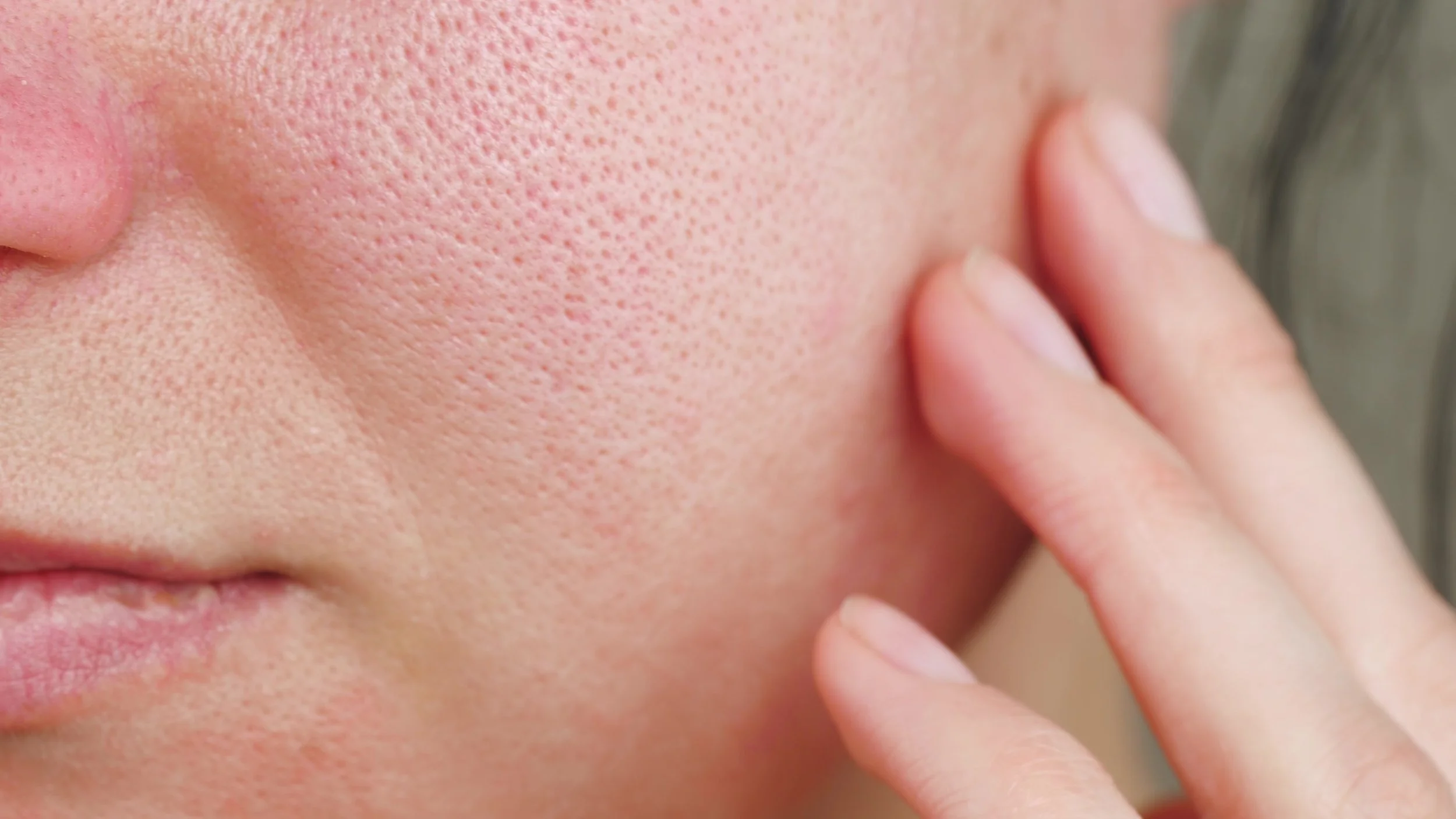
Pores are the tiny openings at the surface of your skin where hair follicles and sebaceous (oil) glands meet the outside world. Every square inch of your face contains hundreds of them, and they serve essential functions: releasing sebum to lubricate and protect your skin, allowing sweat to reach the surface for temperature regulation, and providing an exit pathway for dead cells shed within the follicle.
Your pore size is largely determined by genetics. If your parents had visible pores, you're likely to as well. This baseline size is structural — it's determined by the size of the underlying hair follicle and sebaceous gland, and it can't be fundamentally changed any more than you can change the size of your bones.
But here's what can change: how visible your pores appear. And the factors that make pores look larger than their structural size — congestion, excess oil, sun damage, and loss of surrounding collagen — are all things that professional treatments address exceptionally well.
Pore Appearance: What You're Really Seeing
Tap each type to understand what's happening beneath the surface.
Clean & Tight
Minimal visibility, well-maintained
Congested
Stretched by buildup and oil
Aged & Lax
Enlarged by collagen loss
Pore Myths vs. Facts
Tap each card to flip it and reveal the truth.
"Cold water closes your pores."
Tap to reveal
Myth
Pores don't have muscles and can't open or close. Cold water briefly tightens surrounding skin but doesn't change the pore itself.
"Keeping pores clean makes them look smaller."
Tap to reveal
Fact
Removing buildup that stretches pores from within prevents further enlargement and makes them appear noticeably smaller.
"You can permanently shrink your pores."
Tap to reveal
Myth
Pore size is genetic. You can dramatically reduce their appearance, but you can't change their structural size permanently.
"Sun damage makes pores look bigger."
Tap to reveal
Fact
UV breaks down collagen around pores, causing surrounding skin to sag and pore openings to appear stretched and enlarged.
"Moisturizer clogs pores and makes them bigger."
Tap to reveal
Myth
Proper hydration plumps skin around pores, making them less visible. Dehydrated skin actually makes pores look more prominent.
"Collagen loss makes pores more visible with age."
Tap to reveal
Fact
Collagen provides scaffolding around pores. As it depletes with age, pore openings widen. Collagen-stimulating treatments can help.
What Actually Makes Pores Look Larger
If pore size is genetic, why do they seem to get bigger over time? Because several controllable factors affect how visible pores appear — and understanding these factors is the key to making them look dramatically smaller.
💧
Excess Oil Production
Overactive sebaceous glands flood pores with oil, causing them to stretch and appear larger. Hormones, diet, and climate all influence oil production.
Treatable
☀️
Sun Damage
UV radiation breaks down the collagen framework that holds pores taut. Years of sun exposure creates a cumulative effect that makes pores progressively more visible.
Treatable + Preventable
🕐
Aging & Collagen Loss
Natural collagen decline (1% per year after 25) weakens the structural scaffolding around each pore. Without that support, pore openings gradually widen.
Treatable
🚫
Congestion & Buildup
Dead skin cells, sebum, and debris accumulate inside pores and physically stretch them from within. Regular clearing prevents this chronic stretching.
Treatable
🧬
Dehydration
When skin lacks water, it loses the plumpness that normally fills in around pores. Dehydrated skin looks thinner, making pore openings more prominent.
Treatable
🧸
Genetics
Your baseline pore size is inherited — determined by the size of your hair follicles and oil glands. This structural foundation can't be changed, but everything built on top of it can.
Not changeable — but manageable
The Good News: Five of the six factors that make pores look larger are treatable. That means even if genetics gave you naturally larger pores, professional treatments can address every other factor to make them appear dramatically smaller.
I finally have a skincare regimen that is perfectly tailored to meet my needs.
— Gennieve, Splendid Skincare Client
5 Med Spa Treatments That Minimize Pore Appearance
Now for the actionable part. These five treatments target the specific mechanisms that make pores look larger — congestion, oil, collagen loss, and texture — and they're all available at Splendid Skincare & Brow Studio.
Treatments Ranked by Pore-Minimizing Impact
Tap each treatment to learn how it targets pore appearance.
1
HydraFacial
Deep extraction + hydration in one session
The HydraFacial is the single best treatment for immediately visible pore improvement. Its vortex suction technology clears pore congestion far more effectively than manual extraction, while simultaneously infusing pore-refining serums. The result is visibly smaller-looking pores from the moment you leave. Regular monthly sessions prevent the congestion from rebuilding, keeping pores consistently clear and minimized.
30
Minutes
Zero
Downtime
Monthly
Frequency
2
Microneedling
Rebuilds collagen framework around pores
Microneedling addresses the structural cause of visible pores — collagen loss. By triggering your skin's collagen production around each pore opening, it literally rebuilds the scaffolding that keeps pores taut and tight. Results develop over 4–8 weeks as new collagen forms, with cumulative improvement across a series. It's the best long-term investment for pore minimization because it addresses the root structural issue.
45–60
Minutes
2–4
Days recovery
3–6
Sessions
3
Chemical Peels
Dissolves buildup + refines texture
Chemical peels work on pore appearance from two angles: they dissolve the dead cell and sebum buildup that physically stretches pores from within, and they stimulate cell turnover that keeps the skin around pores smoother and more refined. Salicylic acid peels are especially effective for pores because salicylic acid is oil-soluble — it actually penetrates into the pore lining to clean from the inside out.
30–45
Minutes
1–5
Days recovery
4–8
Sessions
4
Laser Rejuvenation
Tightens skin + remodels collagen at depth
Laser treatments offer the most dramatic long-term pore improvement for clients with significant sun damage or age-related pore enlargement. Fractional lasers create zones of controlled thermal injury that trigger deep collagen remodeling — essentially rebuilding the supportive framework around pores at a level that no other treatment can reach. The skin tightening effect visibly contracts pore openings over the following months.
30–60
Minutes
3–7
Days recovery
2–4
Sessions
5
LED Light Therapy
Calms oil production + supports collagen
LED therapy supports pore minimization primarily through its collagen-stimulating effects (red light) and its ability to reduce inflammation and regulate oil production (blue light). While it won't deliver the dramatic pore-specific results of a HydraFacial or microneedling alone, it's an excellent maintenance treatment and enhancer — boosting the results of other treatments and keeping skin calm, balanced, and optimally healthy between more intensive sessions.
20–30
Minutes
Zero
Downtime
8–12
Sessions
Building a Pore-Minimizing Strategy
The most effective approach to pore minimization combines multiple strategies: professional treatments to address structural and congestion issues, a daily routine that prevents buildup and protects against further damage, and consistent maintenance to keep results lasting.
A typical pore-focused treatment plan at Splendid Skincare might include monthly HydraFacials for ongoing pore maintenance and congestion prevention, a microneedling series to rebuild collagen architecture, chemical peels to refine texture and control oil, and LED therapy between sessions for collagen support and inflammation control.
At home, the essentials are a salicylic acid or niacinamide cleanser (both help keep pores clear), a lightweight non-comedogenic moisturizer, retinol at night (stimulates cell turnover and collagen), and SPF 30+ daily (prevents the sun damage that makes pores worse over time).
Realistic Expectations: You won't achieve "poreless" skin — that doesn't exist outside of filtered photos. What you can achieve is skin where pores are so clean, tight, and well-maintained that they're barely visible to the naked eye. That's a realistic, achievable goal that our clients reach every day.
Find Your Pore Treatment Plan
Answer three questions for a personalized recommendation.
1What best describes your pore concern?
Clogged / Congested pores
Naturally large pores
Getting more visible with age
2How would you describe your skin's oil level?
Very oily
Combination
Normal to dry
3What kind of results are you looking for?
Quick improvement, minimal downtime
Long-term structural change
Both — I want everything
Frequently Asked Questions About Pore Size
Pore strips only remove surface-level debris from the very top of the pore — they don't reach the deeper congestion that actually stretches pore walls. At-home suction tools can be effective for light maintenance but lack the calibrated pressure and precision of professional devices like the HydraFacial. More importantly, they can't address the structural factors (collagen loss, sun damage) that make pores visible. Think of them as a supplement, not a substitute.
It depends on the treatment. HydraFacials and dermaplaning produce immediately visible pore improvement — you'll walk out with noticeably smoother, cleaner-looking skin. Microneedling and laser results develop over 4–8 weeks as collagen remodels. Chemical peels show progressive improvement across a series. For the most comprehensive transformation, a combination approach delivers both immediate and progressive results simultaneously.
Camera lenses, especially on smartphones, can exaggerate pore visibility due to the way they capture light, detail, and depth. Direct, harsh lighting makes every texture element — including pores — appear more prominent than what the naked eye sees in normal conditions. This is why professional photos always use diffused, angled lighting. Your pores almost certainly look more noticeable in photos than they do in real life.
Heavy, occlusive products (thick creams, pore-clogging oils, silicone-based primers) can trap debris inside pores and make them appear larger over time. Look for products labeled "non-comedogenic" and favor lightweight, water-based formulations. Niacinamide, salicylic acid, and retinol are excellent ingredients for pore-prone skin. Your esthetician can review your current routine and suggest swaps during your consultation.
For ongoing pore maintenance, we recommend a HydraFacial every 4–6 weeks as your foundation. If you're doing a more intensive treatment series (microneedling, laser, or peels), those sessions are typically spaced 3–6 weeks apart depending on the treatment. Once your desired results are achieved, most clients transition to a monthly maintenance schedule to keep pores consistently clear and minimized.
Let Us Work Our Magic
Ready to minimize your pores? Book a consultation at Splendid Skincare & Brow Studio and we'll build a plan tailored to your skin.