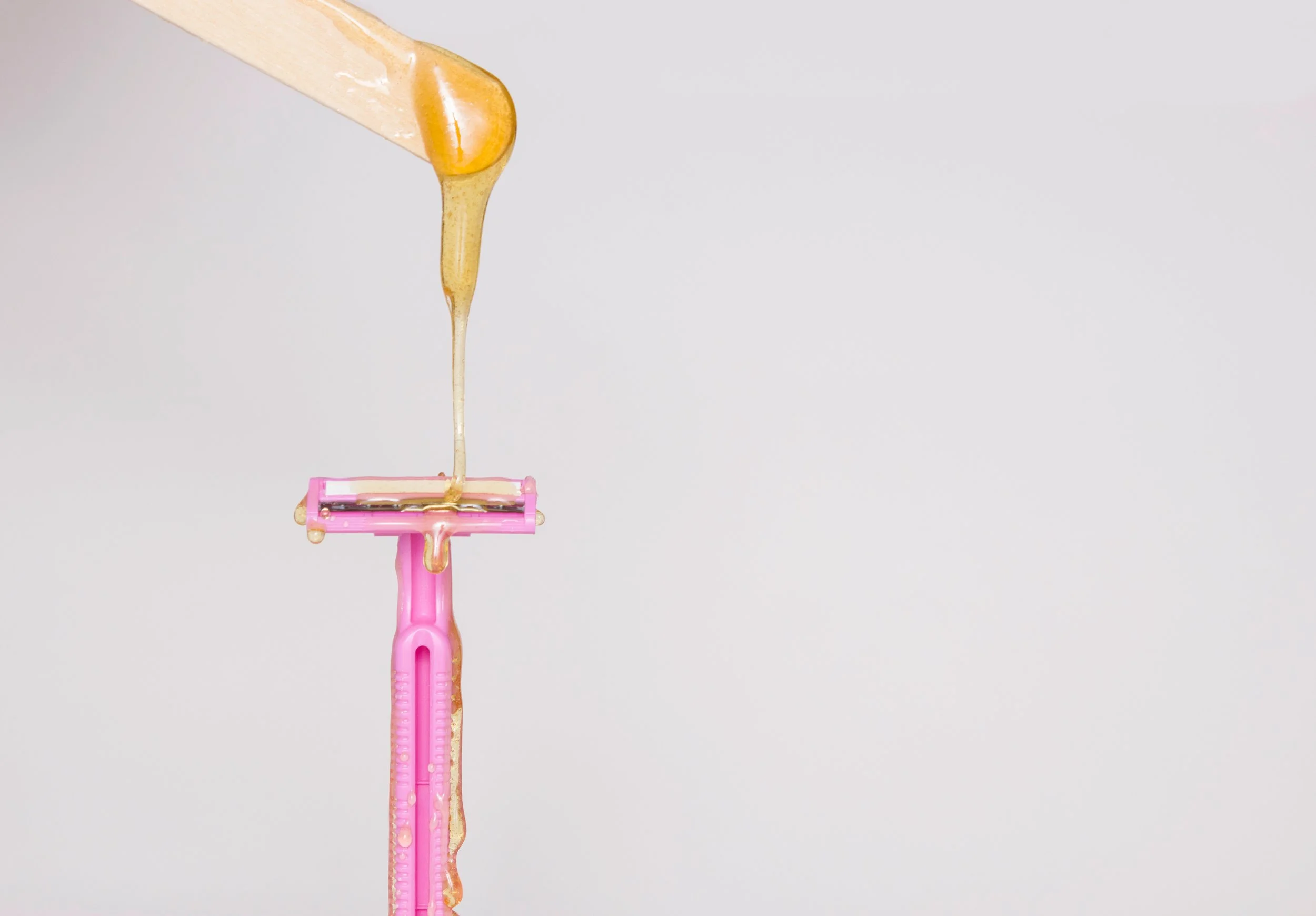
Waxing vs. Shaving: Which is Better for Your Skin?
8 min readSplendid Skincare Team
It's one of the most common debates in personal grooming: should you wax or should you shave? Both get the job done, but the way they work, how your skin responds, and the long-term effects on your skin health are fundamentally different. At Splendid Skincare & Brow Studio, we see the results of both methods every day — and the differences are more significant than most people realize. Here's the honest, side-by-side breakdown.
How Each Method Actually Works
Shaving cuts hair at the skin's surface using a blade. The hair follicle remains completely intact beneath the surface, and the hair shaft is severed at an angle, creating a blunt tip. Because the root is untouched, regrowth begins almost immediately — you'll typically feel stubble within 1–3 days.
Waxing removes the entire hair shaft from the root. Warm wax is applied to the skin, adheres to the hair, and when removed, pulls each hair out of its follicle completely. Because the hair must grow back from scratch — starting as a new, fine-tipped strand deep in the follicle — regrowth is slower (3–6 weeks), softer, and progressively finer over time.
The Fundamental Difference: Shaving cuts hair. Waxing removes it. That single distinction drives every difference in results, regrowth, skin impact, and long-term outcome between the two methods.
Head-to-Head Comparison
Category
Waxing
Shaving
Smoothness
Silky smooth for 3–6 weeks
Smooth for 1–3 days max
Regrowth Feel
Soft, fine, tapered tips
Blunt, prickly stubble
Ingrown Hairs
Less common with proper care
Very common, especially bikini
Exfoliation
Yes — removes dead skin cells
Minimal surface exfoliation
Long-Term Effect
Hair grows back finer over time
No change to hair thickness
Convenience
Appointment every 4–6 weeks
Quick, at-home, any time
Upfront Cost
Higher per session
Low — razor + cream
Razor Burn
None
Common in sensitive areas
Skin Quality
Softer, smoother over time
Can cause dryness & irritation
What Happens to Your Skin
Toggle between methods to see the full skin impact.
Waxing
Shaving
💫
Root Removal
Hair pulled from follicle completely, weakening it over time. After repeated waxing, hair grows back finer and sparser.
Positive long-term
✨
Built-In Exfoliation
Wax removes dead skin cells along with hair, leaving the surface smoother and helping prevent clogged pores.
Skin benefit
🔥
Temporary Redness
Mild redness immediately after waxing is normal and resolves within hours. Soothing products calm it quickly.
Short-lived
💪
Follicle Weakening
Regular waxing gradually weakens hair follicles, resulting in progressively finer, lighter growth over months.
Gets better over time
🔪
Surface Cut Only
Razor cuts hair at the surface, leaving the root untouched. Hair begins regrowing immediately at its full original thickness.
No long-term change
🩸
Blunt Hair Tips
The angled cut creates a blunt, flat tip that feels sharp and prickly as it grows back — the characteristic stubble feel.
Rough regrowth
💥
Razor Burn & Irritation
Blades scrape the skin's surface, removing protective oils and causing micro-abrasions that lead to razor burn and bumps.
Ongoing issue
🔀
Ingrown Hair Risk
Blunt-cut hairs are more likely to curl back into skin, causing painful ingrown hairs — especially in the bikini area.
Common problem
Taking care of one's skin is not a luxury, it's essential. My skin looks better than ever.
— Lisa, Splendid Skincare Client
The Regrowth Timeline
How smoothness fades over time with each method.
After Waxing
Week 1Silky smooth
Week 2Still smooth
Week 3Soft fuzz
Week 4Visible, soft
Week 5–6Ready for next wax
After Shaving
Day 1Smooth
Day 2Slight stubble
Day 3Prickly
Day 4–5Full stubble
Day 7Need to shave again
Waxing keeps you smooth for 3–6 weeks. Shaving requires repeating every 2–3 days for the same smoothness.
The Real Cost Over Time
Tap a timeframe to see the true cost comparison.
6 Months
1 Year
3 Years
5 Years
Professional Waxing
$420
~$70/session × 6 sessions
Shaving (At Home)
$120
Razors + cream + aftercare
Estimates based on average full-leg waxing ($65–75/session) vs. quality razors, shaving cream, and aftercare products.
The Bigger Picture
Yes, shaving costs less upfront. But the cost comparison doesn't capture the full picture. Waxing eliminates the daily time spent shaving (estimated at 70+ hours per year for regular shavers), the frustration of stubble returning within 48 hours, the razor burns and ingrown hairs that require additional products to treat, and the cumulative skin damage from repeated blade contact.
Time Savings: If you shave every 3 days at 10–15 minutes each time, that's roughly 20–30 hours per year. Waxing takes about 30 minutes every 4–6 weeks — approximately 5–6 hours per year. That's 15–25 hours annually you get back.
Which Method Is Right for You?
Answer four quick questions for a personalized recommendation.
1What matters most to you?
Long-lasting smoothness
Convenience & speed
2How sensitive is your skin?
Normal — handles most things
Sensitive — easily irritated
3Do you struggle with ingrown hairs?
Yes, frequently
Rarely or never
4How do you feel about maintenance?
I want less routine
Daily grooming is fine
The Bottom Line
Neither method is universally "better" — but they're better at different things. Shaving is faster, cheaper upfront, and more convenient. Waxing delivers dramatically superior results in smoothness, duration, skin quality, and long-term hair reduction.
If you've been curious about waxing but haven't taken the leap, consider trying it on one area first — brows or lower legs are great starting points. Experience the difference for yourself.
Frequently Asked Questions
Yes — your first wax after shaving is typically the most uncomfortable because shaved hair is blunter and more firmly rooted. But it gets easier with each session. By your third or fourth wax, most clients report significantly less discomfort as the hair grows back finer.
We strongly advise against it. Shaving between waxes disrupts the hair growth cycle, meaning your next wax won't be as effective. It also reverses the follicle-weakening effect of waxing. If you commit to waxing, commit fully for the best results.
Yes — repeated waxing traumatizes the hair follicle, which responds by producing progressively finer, lighter growth. After 6–12 months of consistent waxing, most clients notice a meaningful reduction in hair density and thickness.
The bikini area is where the difference is most dramatic. Shaving almost inevitably leads to razor burn, bumps, and ingrown hairs because the skin is thin and the hair is coarse. Professional waxing removes hair cleanly from the root, resulting in smoother skin and fewer complications.
Hair needs to be at least ¼ inch long — about the length of a grain of rice. If you've been shaving, that means stopping for approximately 2–3 weeks before your first wax appointment.
Let Us Work Our Magic
Ready to make the switch? Book your first waxing session at Splendid Skincare & Brow Studio and feel the difference.