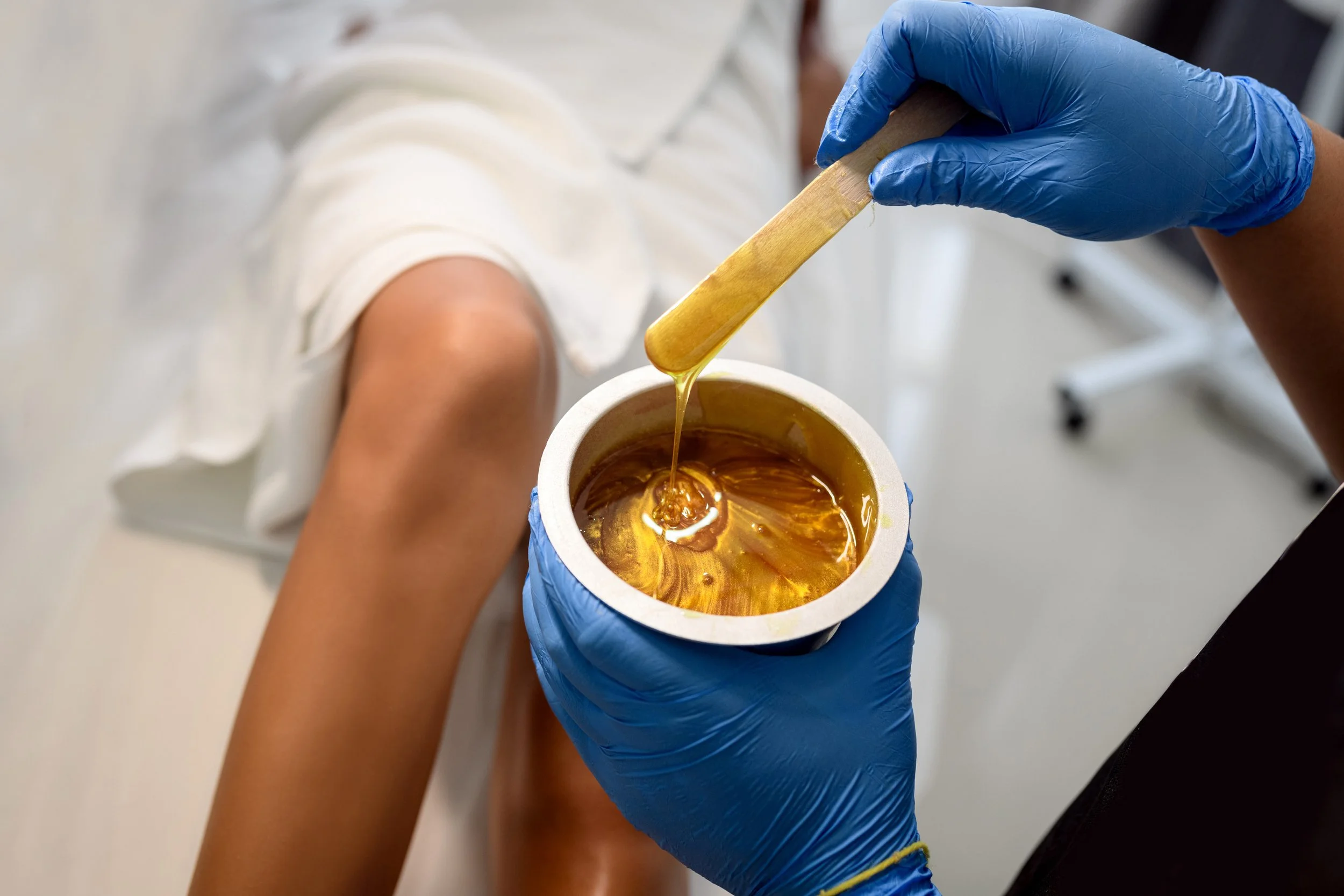
Waxing is one of those treatments where a little preparation goes a very long way. The difference between a smooth, comfortable wax and a painful, patchy one often comes down to what you do — and don't do — in the days leading up to your appointment. Whether you're a waxing veteran or a first-timer, this guide from Splendid Skincare & Brow Studio covers everything you need to know to walk in prepared and walk out smooth.
Why Preparation Matters for Waxing
Proper waxing prep isn't just about comfort — though it absolutely helps with that. It directly affects your results. When hair is the right length, skin is properly exfoliated and hydrated, and the area is free from products that interfere with wax adhesion, the wax grips hair cleanly from the root. That means less breakage, smoother results, slower regrowth, and fewer ingrown hairs.
Skip the prep and you're looking at a more painful experience, uneven results, missed hairs that the wax couldn't grip, and a higher likelihood of post-wax irritation. A few minutes of preparation makes the entire experience better — start to finish.
Your Pre-Wax Countdown
Follow this timeline for the best results.
2W
2 Weeks Before
Stop Shaving
Hair needs to be at least ¼ inch (roughly the length of a grain of rice) for wax to grip effectively. If you've been shaving, stop now to give the hair time to grow to the right length. Too short and the wax can't grab it; too long and it's more painful than it needs to be.
3D
3 Days Before
Gently Exfoliate
Lightly exfoliate the area to be waxed using a gentle scrub or exfoliating mitt. This removes dead skin cells that can trap hair and block the wax from gripping the hair shaft cleanly. Don't exfoliate the day before or day of — you want the skin calm, not freshly scrubbed.
48H
48 Hours Before
Stop Retinoids & Acids
Discontinue retinol, retinoids, AHA/BHA acids, and any exfoliating products on the area to be waxed. These ingredients thin the skin's surface layer, making it more vulnerable to lifting, tearing, or excessive sensitivity during waxing.
24H
24 Hours Before
Hydrate & Skip Tanning
Moisturize the area well (but not on the day of your appointment). Well-hydrated skin is more pliable and less prone to irritation. Avoid sunbathing, tanning beds, and self-tanners — sun-exposed or tanned skin is more sensitive and can react poorly to waxing.
☀
Day Of
Clean Skin, No Products
Shower and arrive with clean, dry skin. Don't apply lotions, oils, deodorant, or perfume to the waxing area — they create a barrier between the wax and hair, causing the wax to slip and miss hairs. Wear loose, comfortable clothing to minimize friction afterward.
The Complete Do's & Don'ts
Here's the definitive list — the rules that make the difference between a great wax and a frustrating one.
Do
Let hair grow to ¼ inch — the length of a grain of rice
Gently exfoliate 2–3 days before your appointment
Take an OTC pain reliever 30–45 minutes before if desired
Arrive with clean, product-free skin
Wear loose, breathable clothing afterward
Communicate with your esthetician about sensitivity or concerns
Stay hydrated — well-hydrated skin waxes more comfortably
Don't
Don't shave between waxing appointments
Don't apply lotions, oils, or deodorant the day of
Don't use retinoids or acids on the area for 48+ hours before
Don't tan or sunburn before your appointment
Don't schedule during your menstrual period (skin is more sensitive)
Don't consume excessive caffeine or alcohol beforehand (increases sensitivity)
Don't exercise right before — sweat and heat make waxing less effective
Taking care of one's skin is not a luxury, it's essential. My skin looks better than ever.
— Lisa, Splendid Skincare Client
Zone-by-Zone Prep Tips
Different areas have different needs. Tap your waxing zone.
🙋 Brows
😶 Upper Lip
💪 Arms
🦵 Legs
🌸 Bikini
🙌 Underarms
Brow Waxing Prep
Brows are one of the most popular waxing services at Splendid Skincare — and proper prep ensures your esthetician can create the perfect shape. Brow skin is thin and sensitive, so it requires a gentle approach.
✓Don't tweeze or trim for at least 2 weeks before — let your esthetician see your full growth pattern
✓Avoid eye creams with retinol on the brow bone for 48 hours
✓Remove contact lenses before your appointment if they tend to bother you
✓Bring reference photos of your ideal brow shape — it helps communication
Upper Lip Waxing Prep
The upper lip area is particularly sensitive and prone to post-wax redness. A little extra care in preparation minimizes both discomfort and visible irritation.
✓Stop all retinoids, AHAs, and vitamin C on the area for 72 hours before
✓Avoid hot beverages immediately before your appointment — heat increases sensitivity
✓If prone to cold sores, take a preventive antiviral medication beforehand (consult your doctor)
✓Expect mild redness for 30–60 minutes after — schedule accordingly
Arm Waxing Prep
Arm waxing is straightforward, but the large surface area means proper hydration and exfoliation make a noticeable difference in comfort and smoothness.
✓Exfoliate with a gentle body scrub 2–3 days before
✓Moisturize well in the days leading up, but not the day of your appointment
✓Wear a short-sleeved or sleeveless top for easy access
✓Skip deodorant or perfume on the arms the day of
Leg Waxing Prep
Leg waxing covers the largest area and benefits most from thorough exfoliation and proper hair length. The results are worth the prep — silky smooth legs that stay that way for weeks.
✓Stop shaving at least 2 weeks before for optimal hair length
✓Exfoliate with a body scrub or dry brush 2–3 days before to prevent ingrown hairs
✓Avoid self-tanner for a week before — it can affect wax adhesion
✓Wear shorts or a skirt to your appointment for easy access and comfort after
Bikini Waxing Prep
Bikini waxing requires the most careful preparation because the skin is sensitive and the area is prone to ingrown hairs. Proper prep significantly reduces discomfort.
✓Hair should be ¼ to ½ inch — trim with scissors if it's longer than that
✓Gently exfoliate the bikini line 2–3 days prior to prevent ingrown hairs
✓Take an OTC pain reliever 30 minutes before if it's your first time
✓Avoid scheduling during your period — skin is more sensitive at that time
✓Wear cotton underwear afterward to minimize irritation
Underarm Waxing Prep
Underarm hair grows in multiple directions, making it one of the trickiest areas to wax well. Proper prep ensures the wax can grip hair from every angle for a clean, complete result.
✓Stop shaving for 10–14 days — underarm hair grows faster than most areas
✓Skip deodorant and antiperspirant the day of your appointment
✓Avoid working out before — sweat and bacteria increase irritation risk
✓Wait 24 hours after waxing before applying deodorant again
Hard Wax vs. Soft Wax
Hard Wax
Soft Wax
Hard Wax (Stripless Wax)
Hard wax is applied in a thick layer, cools and hardens around the hair, and is removed directly without a strip. It grips hair without adhering to the skin, making it the preferred choice for sensitive areas and fine hair.
Less painful — doesn't pull on skin, only hair
Ideal for face, bikini, and underarms
Can grab shorter hairs (as short as ⅛ inch)
Less risk of irritation, bruising, or skin lifting
Better for sensitive skin and first-time clients
Soft Wax (Strip Wax)
Soft wax is applied in a thin layer and removed using a cloth or paper strip. It adheres to both hair and the skin's surface, making it effective for larger areas and coarser hair — but slightly more intense on sensitive zones.
More efficient for large areas — legs, back, arms
Excellent at removing coarse or stubborn hair
Doubles as an exfoliant — removes dead skin cells along with hair
Faster application and removal for bigger zones
Widely used and well-established technique
Aftercare Essentials
What you do after waxing matters just as much as what you did before. Your pores are open, hair follicles are empty, and your skin is temporarily more vulnerable. Proper aftercare prevents ingrown hairs, minimizes irritation, and helps your results last as long as possible.
First 24 hours: Avoid hot baths, saunas, steam rooms, and intense exercise — heat and sweat can irritate freshly waxed skin and introduce bacteria. Skip tight clothing on waxed areas. Don't apply perfumed products, deodorant (for underarm waxing), or makeup (for facial waxing). Apply a soothing aloe-based gel if the area feels sensitive.
Days 2–3: You can resume normal activities. Begin gentle moisturizing with a fragrance-free lotion to keep the skin soft and pliable as hair begins to grow back.
Days 3–7 and beyond: Start gentle exfoliation (a soft washcloth or mild body scrub) 3–4 days post-wax and continue 2–3 times per week. This is the single most effective thing you can do to prevent ingrown hairs. It removes the dead skin cells that can trap new hair growth beneath the surface.
The #1 Aftercare Rule: Exfoliate regularly between waxing sessions. Ingrown hairs are almost always preventable with consistent, gentle exfoliation starting a few days after each wax. Make it part of your shower routine and ingrown hairs become a non-issue.
Pre-Appointment Readiness Check
Tap each item to check it off before your wax.
Hair is ¼ inch or longerAt least 2 weeks of growth since your last shave
Exfoliated 2–3 days agoGentle scrub or exfoliating mitt on the area
Stopped retinoids & acids 48+ hours agoNo retinol, AHA, BHA, or strong actives on the waxing area
No sunburn or fresh tanSkin is at its natural baseline color
Clean skin, no products appliedNo lotions, oils, deodorant, or perfume on the area
Wearing loose, comfortable clothingBreathable fabrics that won't rub against freshly waxed skin
Well hydratedDrank plenty of water — hydrated skin waxes more comfortably
READINESS0 / 7
Frequently Asked Questions
The honest answer: the first session is usually the most uncomfortable, especially if you've been shaving (shaved hair is blunt and coarser at the tip). Each subsequent wax gets easier as the hair grows back finer and thinner. The actual discomfort lasts only a fraction of a second per strip. Most clients say the anticipation is worse than the sensation itself.
Most areas benefit from waxing every 4–6 weeks, which aligns with the natural hair growth cycle. Facial hair (brows, upper lip) may need attention every 3–4 weeks since it grows slightly faster. Consistency is key — regular waxing weakens the hair follicle over time, making each session easier, less painful, and longer-lasting.
No — this is a firm contraindication. Accutane (isotretinoin) thins the skin significantly and waxing can cause serious skin lifting, tearing, or scarring. You should wait at least 6 months after completing an Accutane course before waxing. Prescription retinoids (tretinoin, adapalene) also thin the skin, so stop using them for at least 1 week before waxing the treated area. Always tell your esthetician about any medications you're taking.
Several strategies help. Take an over-the-counter pain reliever (ibuprofen) 30–45 minutes before your appointment. Avoid scheduling during your menstrual period (skin is more sensitive). Avoid caffeine before your appointment. And most importantly — keep waxing consistently. The discomfort decreases significantly after your first 2–3 sessions as the hair grows back finer and the follicle weakens.
Gentle, regular exfoliation is the most effective prevention. Start exfoliating 3–4 days after your wax and continue 2–3 times per week until your next appointment. Use a soft body scrub, exfoliating mitt, or salicylic acid-based body treatment. Moisturize daily with a lightweight, non-comedogenic lotion. And avoid tight clothing over freshly waxed areas for the first 24 hours.
Let Us Work Our Magic
Ready for smooth, flawless skin? Book your waxing appointment at Splendid Skincare & Brow Studio today.